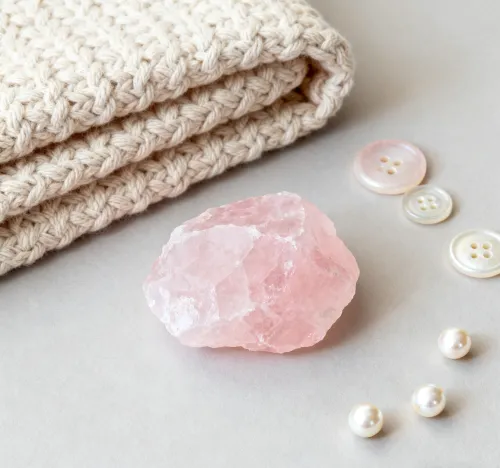
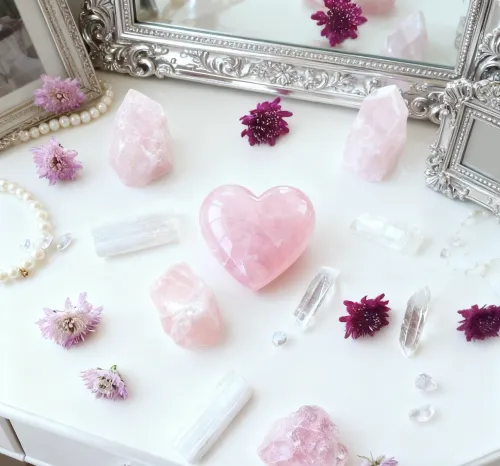
We’ve all had that moment—walking into a room and feeling something shift when the light catches rose quartz just right. It’s more than décor; it’s an embrace of warmth, like a gentle exhale. You may have tried placing a standalone piece near a lamp, but what happens when we *really* blend this soft pink stone with dancing lights and precise crystal facets? Well, it’s not just about looks—though seeing that ethereal glow lift shadows off walls can make your breath hitch a little. The magic happens when light sculpts quartz, when refracted sparks whisper around glass, and suddenly your space pulses with a heartbeat of its own. Let’s unravel how to make that glow feel less like staging and more like soul language. At some point, you’ll sense it: stillness taking shape.
Here’s What We’ll Unwrap Together:
- Core Design Concepts and Goals
- Material Compatibility and Selection
- Light Integration Techniques
- Sensory and Visual Effects
- Long-Term Value and Adaptive Upgrades
- Common Challenges and Solutions
Core Design Concepts and Goals
Picture entering your sanctuary as dusk falls—a single slice of rose quartz breathes pink halos across the ceiling, glass prisms scattering tiny rainbows near the floor. This isn’t staging; it’s emotional architecture. The goal? Making stillness visible. We harness light not to showcase, but to resonate—warmth gathering in quartz veins, shadows softening boundaries. Think of it as composing with luminosity: light becomes the paintbrush.
The thing is, light integration isn’t just functional. Choosing LEDs between 2700K-3000K temperature wraps the quartz in softness—close to dusk’s embrace—without risking the stone’s integrity. Position sources at 30—45 degree angles, and suddenly depth awakens inside each quartz piece like liquid sunrise captured mid-flow. You’re not illuminating a rock; you’re coaxing its inner landscape awake.
Energy Flow First
Arrange components to guide both light and attention: heavier clusters grounding corners, thinner quartz guiding eyes upward. It’s choreographing serenity.
Material Compatibility and Selection
Ever watched frost form on glass? That quiet magic—opacity diffusing into transparency—is what we emulate when mixing frosted glass with rose quartz. Compatibility matters. Not all crystals play nice: some might glare harshly; others soak light like voids. Glass accents frosted just right minimize glare while amplifying quartz’s dreamy translucency. Meanwhile, using borosilicate glass crystals around bulbs? They laugh when heat tries to stress them—that’s durability.
And thickness? That’s your dial on radiance. Place thinner slices near windows where sunlight becomes partner. Thicker slabs work like luminous walls when backlit. Neutral metals—nickel or brass bases—support everything without shouting.
Imagine cold-pressed crystal facets beside warm quartz tones—that’s the spark of harmony.
Light Integration Techniques
Here’s the pivot point: light placement is less science and more intuition. You know that tension when placing spotlights? Disarm it. Mount cool-to-touch LED strips close enough to whisper warmth onto quartz, never scorch. Those glass prisms you added near the main piece? They catch stray beams and scatter them sideways—creating secondary sparkles that dance around the primary glow.
Anyway, modularity liberates you. Use magnetic mounts or repositionable stands. Slide lights closer in winter for golden pools on floors; pull them back come summer. Add diffuser panels like velvet curtains for light—they soften intensity so illumination feels poured, not sprayed. Install dimmers to adjust mood: subtle at dawn, bolder by late evenings. Your space stays fluid, ever-responsive to you.
Dynamic Layer Strategy
Start with backlighting the quartz. Front-light glass for prism flashes. Edge-light shelves to frame collections. Layers compound brilliance without competing.
Sensory and Visual Effects
Close your eyes halfway: see how rose quartz emits light like slow-burning embers? That’s diffusion—glow held within semi-opaque stone. Lighting quartz through 3mm-15mm thickness levels bends saturation: thin slices gleam vivid; thick chunks burn deep. Pair with clear crystals, and watch sparks bounce off glass facets—little comets darting across the walls.
- Expanding space illusion: Glass prisms cast rainbows on empty walls. A small corner breathes into vastness.
- Texture storytelling: Frosted glass mutes, polished quartz invites depth. Tactility becomes vision.
The thing is, your brain tracks slow-moving light. That
soft glow from backlit slabs doesn’t just please eyes—it taps into focus, almost like a mindful rhythm… stillness made tangible.
A Simple Invitation
Try this slow dance: one week, rearrange lights daily. Notice when sparkles lift your gaze, or when warmth sinks deeper into your shoulders. Light speaks—lean in.
Long-Term Value and Adaptive Upgrades
Rose quartz holds years—why trap it in static setups? Build around changeability: clusters of interchangeable glass crystals let you swap accents with seasons, not spaces. Slide in amber tones for autumn; icy shards when winter arrives. That neutrality-minded base? Metal frameworks let you twist quartz into new angles without claw marks.
Anyway, practical magic stays quiet. Hide wires in plain sight—channels beneath surfaces maintain clean lines. Add felt-lined platforms anywhere pieces touch down; quartz sighs safely against friction. Energy draws efficiency: these displays run on just 5-20 watts—flicker-free ambience without guilt or glare. Add UV coatings to glass near windows—protection woven in light.
Common Challenges and Solutions
So maybe your first attempt drowned quartz in glare or trapped heat? Common. Bulbs too close create pressure points—move lights incrementally till glow broadens uniformly. Humidity fogging electronics? Seal connections snugly—those moisture-resistant barriers guard against bathroom-steam sabotage.
Seeing uneven light spread? Insert those subtle diffuser panels we mentioned earlier—they blur harsh lines into seamless radiance. And dust dulling clarity? Gently swipe surfaces weekly with microfiber—optical kindness compounds over years. Oh, and shifting compositions scratch bases? That felt-lined display armor—minimal effort, maximal grace.