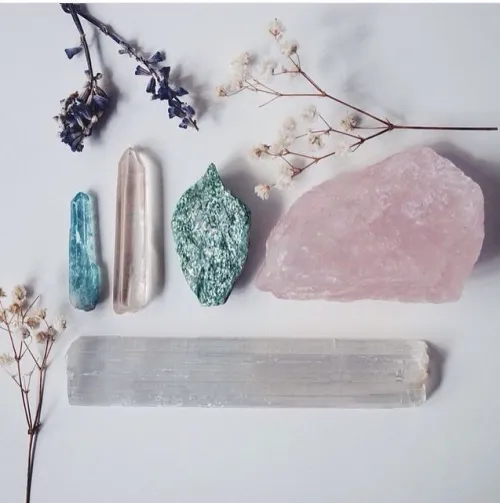
So, you're holding that lovely rose quartz—maybe it's a palm stone, or a heart shape, or a chunk just sitting on your desk—and suddenly, *crunch*. It slips, hits the floor, and that smooth surface now has a jagged line running through it. Your heart sinks a little, doesn't it? Well, maybe not just because your favorite crystal is damaged. Many of us feel these breaks signal something... more. The thing is, crystals interact with our energy fields—they absorb, reflect, or help channel intentions. So when something specifically tuned to love and emotional healing shatters? Oh boy, it gets you wondering: is this about the stone... or is this mirroring something inside *me*?
This passage will be explored at:
- Symbolic Meaning of Breakage
- Material Vulnerability Factors
- Safe Handling Recommendations
- Recovery and Repurposing Techniques
- Stress Recognition Indicators
- Duration Expectations and Value Retention
- Frequently Asked Questions
Symbolic Meaning of Breakage
Imagine you’re carrying your rose quartz in your pocket during a tough week—maybe arguments at home or anxiety creeping in. Then, as you pull it out, you find it snapped clean in two. That sudden shift from whole to fragmented can feel oddly symbolic. The crystal's structure didn't fail randomly; it's reacting to energetic shifts around it.
Energy disruption interpretations note such breakage often coincides with significant life transitions. Think of it as the rose quartz absorbing a major emotional hit so you didn't have to take it full-force yourself. At that moment, your crystal acted like a shield—it fragmented to release built-up tension, like clearing static from the air after a thunderstorm.
Material Vulnerability Factors
Despite its tranquil appearance, rose quartz is surprisingly vulnerable to certain forces. It’s tough but not invincible. People expect quartz to be like granite—hard and unyielding—but that’s not exactly how crystalline structures behave.
The Mohs hardness rating for rose quartz is 7—it can handle scratches fairly well, but don't underestimate its susceptibility to impact fractures from sudden movements. Internal fissures formed during the crystal's incredibly slow development over millennia create natural weak points inside its structure. Combine this with repeated pressure on delicate termination points, and cracks begin tracing through its lattice like tiny rivers.
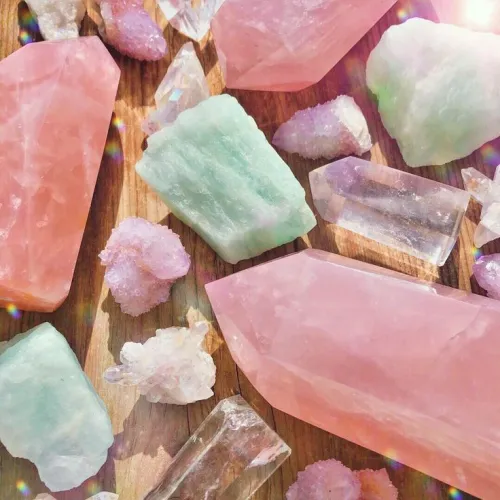
Another sneaky risk? Temperature changes. Suddenly exposing your quartz to heat or cold exceeding 100°F causes tiny shocks within the stone—microfractures spreading silently until a final impact finishes the job. At some point, this gentle stone tells you its limits.
Safe Handling Recommendations
Let’s protect your love-filled quartz. You don't cradle fine china in your pocket during workouts—treat your crystals with similar respect. Proper storage is key.
Simple solutions matter most. Storing crystals individually in padded compartments prevents crystal-on-crystal abrasion—you avoid those micro-scratches and accidental knocks. No one wants to find their quartz looking like it lost a boxing match.
Handling Habits Worth Building
Hold your stone with intention—don't let it bounce loose in your bag where keys and coins become little wrecking balls. And when cleaning? Room-temperature water only—avoid ultrasonic systems or steam entirely. Those vibrations can worsen unseen fissures.
Strategic Placement Shifts
If you display your quartz, reposition it gently every few months. This small act distributes pressure points across different sections of the stone. Imagine avoiding the same spot on your wrist carrying heavy bags daily—your quartz appreciates rotation too.
Recovery and Repurposing Techniques
Broken quartz isn't dead quartz—it’s transformed energy material. Finding scattered pieces doesn’t mean defeat; it means evolution.
Broken fragments can be polished into smaller palm stones using diamond abrasives—they fit perfectly for fingertips needing comfort during work calls. Tumbled shards stay charged with the original mineral composition: silicon dioxide plus those trace elements that give them that tender blush.
Or blend granular pieces into colorful resin jewelry trays—a visible reminder that fragmentation isn’t failure. Even hairline fractures find purpose: placed under potted plants or layered into terrarium designs, they still work their quiet magic on the spaces around them.
Stress Recognition Indicators
Cracks rarely appear instantly—they grow silently first. Learning your stone’s early distress signals saves heartbreak.
- The Webbing Effect: Hairline fractures appear as white spider-webbing visible under magnification, long before full breaks.
- Cloudy Edges: Notice new cloudiness where light used to refract clearly? That’s micro-fracture development needing attention.
- Dull Patina Shifts: Natural specimens develop altered surface reflectivity after 5-10 years—don’t confuse aging with strain signals.
Basically, your quartz whispers warnings before it shouts.
Gentle Attention
Try this 5-day observation ritual: hold your quartz morning and evening. Note texture changes, weight perception or sudden cold spots. These nuances reflect its energetic state.
Duration Expectations and Value Retention
How long should quartz last? There’s no expiration date—energy stones adapt as long as we handle them thoughtfully. Heavy tumbled pieces under 150 grams tolerate knocks far better than intricately carved designs with thin points destined for stress.
Value isn't lost with breakage—museum-grade pieces costing $250+ retain worth scientifically, while smaller tumble replacements start around $5. But emotional value? That shifts creatively into mosaic designs or grids where every piece still vibrates with the crystal’s core resonance.
Frequently Asked Questions
Does a broken quartz lose its energy properties?
Not at all—fractured pieces maintain their silicon dioxide structure. What shifts is *how* you interact with it. Smaller pieces focused on local soothing work beautifully.
Can I repair cracked rose quartz with glue?
Physical repair risks trapping negative energy. Repurposing—not restoring—is the path to healing for both crystal and keeper. Polish fragments into new shapes instead.
Is it true a sudden break signals absorbed negativity?
Many traditions interpret fractures as energetic overflow from intense emotional environments. Your crystal may have taken on pressure to shield you—thank it gently for that sacred exchange before moving forward.
Why did my identical pieces break differently?
Internal fissures formed during geological development create unique vulnerabilities—no two crystals share identical stress points. Treat each stone as the individual it is.