
Knowing how to clean rose quartz is essential for anyone who owns this beloved crystal. Daily handling, environmental dust, and natural skin oils can create a residue that dulls its signature pink glow. Proper rose quartz care involves both physical cleaning to remove grime and mindful cleansing to refresh its energy. This guide, drawing from gemological principles and established crystal care practices, provides clear, safe methods to maintain your stone’s beauty and vibrational quality for years to come.
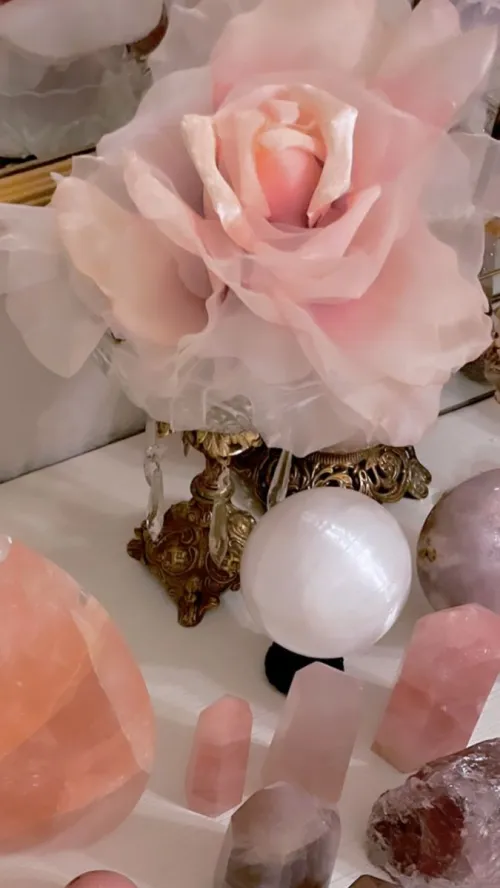
Why Cleaning Your Rose Quartz Matters
Rose quartz, with a hardness of 7 on the Mohs scale, is durable but porous on a microscopic level. This means it can absorb oils and residues from skin contact (a process often called “acquired surface deposits”) which physically block light from entering and reflecting within the stone, causing it to look cloudy or dull. Beyond aesthetics, in crystal healing traditions, it’s believed that stones can absorb ambient energetic frequencies. Regular cleansing rose quartz is therefore seen as a way to reset its energy, much like rebooting a device. Addressing both aspects ensures your crystal remains a clear and vibrant tool or ornament.
Step-by-Step: How to Clean Rose Quartz Safely
Follow this straightforward process for safe and effective cleaning. Always handle your crystal with care, as even hard stones can chip if dropped.
| Method | Best For | Key Steps & Precautions |
|---|---|---|
| Gentle Water Wash | Physical cleaning of oils, dust, and everyday grime. |
|
| Indirect Sunlight or Moonlight Bath | Energetic cleansing and recharging after a physical wash. |
|
Signs Your Rose Quartz Needs Cleaning
Your crystal will often tell you when it needs attention. If you’re wondering “dull rose quartz what to do”, look for these common signs:
- Loss of Shine and Luster: The surface appears matte instead of vitreous (glassy).
- Visible Cloudiness or Film: A whitish or greasy-looking layer is evident, especially in carved areas.
- Feeling “Sticky” or “Heavy”: A subjective sense that the stone feels energetically dense or less vibrant to hold.
- Dust in Crevices: Accumulation in natural cracks or detailed carvings.
We recommend a quick visual and tactile check every few weeks. Proactive care prevents deep-seated residue.
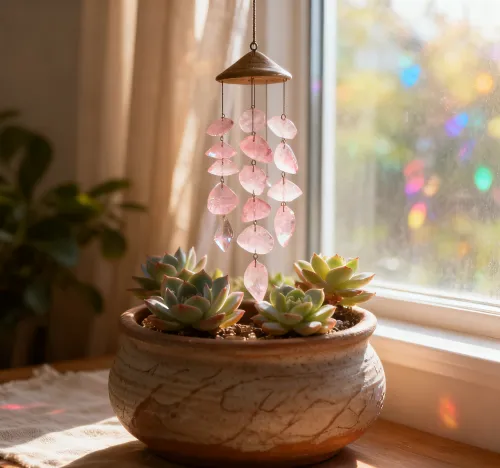
Best Practices for Long-Term Rose Quartz Care
Cleaning is one part of a broader care routine. To preserve your stone, integrate these habits:
- Mindful Handling: Wash your hands before extended holding to minimize oil transfer.
- Dedicated Storage: Keep it in a soft pouch or separate compartment to prevent scratches from harder stones or metals. An enclosed environment significantly reduces dust exposure.
- Cleaning Frequency: There’s no fixed rule. For a frequently handled piece, a brief rinse weekly may suffice. A display piece might only need monthly attention. Let the visual cues above be your guide.
Common Myths and Misconceptions Clarified
Myth: You must use salt to cleanse crystals deeply. Fact: We strongly advise against using salt, especially for rose quartz. Salt water can be corrosive over time and may damage the surface or internal structure. Stick to the gentler methods outlined above.
Myth: If you don’t cleanse it spiritually, it won’t “work.” Fact: The physical act of cleaning—removing the layer that blocks light—has a tangible, revitalizing effect. Setting a simple intention during washing is often more than sufficient for most people.
Myth: Cleansing must be done on a strict schedule (e.g., every full moon). Fact: Your personal routine and the stone’s use are the best indicators. Cleanse it when it feels or looks like it needs it.
Conclusion: Maintaining a Lasting Connection
Learning how to clean rose quartz properly is a simple yet profound way to honor your connection to this stone of unconditional love. By incorporating these gentle physical and energetic rose quartz care techniques into your routine, you ensure that its beauty remains clear and its presence in your life stays vibrant. Start with a gentle rinse today and observe the restored clarity—it’s the most rewarding sign of successful care.

